
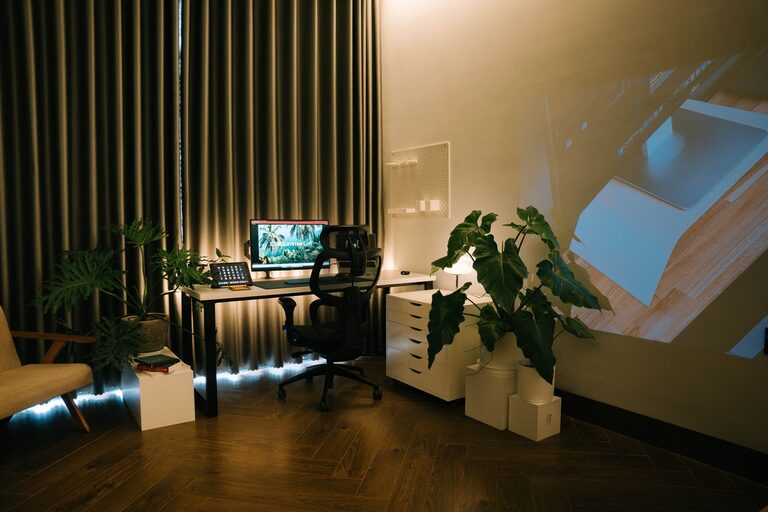
Creating a relaxing home workspace is essential for anyone who works remotely or spends significant time at home managing tasks. A well-designed workspace not only enhances productivity but also promotes mental well-being by reducing stress and distractions. If your current setup feels chaotic or uninspiring, don’t worry—small changes can make a big difference. In this post, we’ll explore practical ways to create a calm, inviting workspace right in your home.
Why a Relaxing Workspace Matters
Your work environment impacts how you feel and perform each day. Clutter, noise, poor lighting, and uncomfortable furniture can increase stress and fatigue. On the other hand, a space designed with relaxation and focus in mind encourages creativity, helps maintain concentration, and supports overall wellness.
Choosing the Right Location
Find a Quiet Spot
Look for a location in your home with minimal foot traffic and noise. This could be a spare room, a corner of the living room, or even a section of your bedroom. The key is to have a space where interruptions are limited.
Consider Natural Light
Natural light improves mood and energy levels. Position your desk near a window if possible, but avoid direct glare on your computer screen. If natural light is limited, invest in good quality, adjustable lighting that mimics daylight.
Design Elements for Calmness
Color Palette
Choose soft, neutral tones or muted colors for your workspace walls and decor. Shades like light blues, greens, and grays promote relaxation and focus. Bright or overly saturated colors may cause visual distraction.
Declutter and Organize
A tidy desk and organized storage reduce visual noise and help you feel in control. Use drawers, shelves, and organizers to keep papers, cables, and supplies out of sight. Regularly clean your space to maintain a fresh atmosphere.
Comfortable and Functional Furniture
Ergonomic Chair
Invest in a comfortable chair that supports good posture. Adjustable height, lumbar support, and cushioning can prevent aches and fatigue during long work sessions.
Proper Desk Setup
Your desk should be at a height where your arms rest comfortably while typing. If space allows, choose a desk with enough surface area for your computer, notebooks, and other essentials without overcrowding.
Personalizing Your Space
Add Natural Elements
Incorporate plants or small indoor greenery to bring life and fresh air into your workspace. Plants have been shown to reduce stress and increase satisfaction.
Use Calming Scents
Consider adding a subtle, soothing scent like lavender or eucalyptus through a diffuser or candle. Avoid overpowering fragrances that may be distracting.
Include Inspiring Items
Decorate with items that motivate and inspire you, such as artwork, photos, or motivational quotes. Keep it minimal to maintain a peaceful vibe.
Managing Noise and Distractions
Noise Control
Use noise-cancelling headphones or a white noise machine if external sounds are disruptive. Playing soft background music or nature sounds can also create a focused atmosphere.
Set Boundaries
Communicate your working hours and space boundaries with family or housemates to minimize interruptions.
Technology Tips
Cable Management
Organize cables to prevent tangles and clutter. Use cable ties, clips, or cable sleeves to keep wires neat and out of the way.
Screen Positioning
Position your monitor at eye level, about an arm’s length away, to reduce eye strain and neck discomfort.
Incorporate Break Areas
If possible, include a separate spot close to your workspace for taking short breaks. A comfortable chair or cushion for stretching and relaxing can help you recharge during the day.
Maintain Your Workspace Routine
A relaxing workspace requires ongoing care. Take a few minutes at the end of each day to tidy your area, adjust lighting, and prepare for the next day. This routine helps maintain a positive mindset and sets you up for success.
—
By thoughtfully designing your home workspace with relaxation and functionality in mind, you create an environment where productivity and comfort go hand in hand. Experiment with these tips and customize your space until it feels just right. A peaceful workspace isn’t just about aesthetics—it’s about supporting your best work and wellbeing every day.