
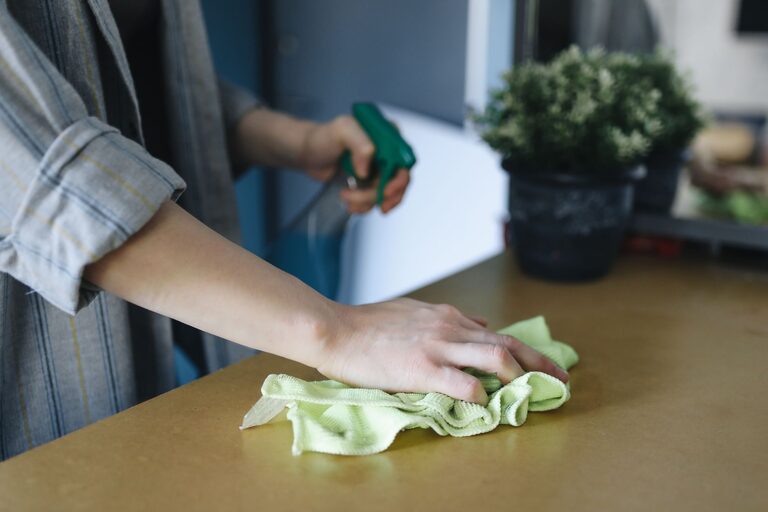
Keeping up with household chores can sometimes feel overwhelming. Between work, family, and personal time, managing cleaning and maintenance tasks might seem like a daunting challenge. Fortunately, there are several strategies you can use to make chores more manageable, helping you maintain a clean and organized home without stress. In this post, we’ll explore easy and practical ways to approach your chores efficiently.
Why Making Chores Manageable Matters
When chores pile up, they can cause frustration and consume more time than necessary. By breaking tasks into smaller steps and creating smart routines, you can reduce the mental load and keep your living space comfortable and tidy with less effort.
—
1. Create a Chore Schedule
Plan Regular Tasks
One of the best ways to handle chores is to schedule them. Decide which tasks need daily, weekly, or monthly attention. For example:
– Daily: Washing dishes, wiping kitchen counters, tidying living areas
– Weekly: Vacuuming, bathroom cleaning, laundry
– Monthly: Deep cleaning appliances, dusting baseboards, organizing closets
Writing these down or using an app can help keep track of what needs to be done and when.
Use a Calendar or App
Physical calendars, planners, or task management apps like Todoist or Google Keep can remind you of chores. Setting notifications ensures you don’t forget and helps spread out tasks evenly.
—
2. Break Chores Into Smaller Steps
Large tasks can feel intimidating. Instead of trying to do everything at once, break chores into manageable parts.
For example, rather than cleaning the whole kitchen in one go:
– Clear the countertops
– Wash dishes
– Wipe surfaces
– Sweep the floor
Completing each step gives a sense of accomplishment and prevents burnout.
—
3. Set Time Limits
Using a timer can help you stay focused and make chores less tedious. Decide on a reasonable amount of time per task, such as 15 or 20 minutes.
– Set the timer and work steadily until it goes off.
– Take a short break if needed.
– You’ll often find you accomplish more in a set time than you expect.
This technique, sometimes called the Pomodoro method, is popular for boosting productivity.
—
4. Make Cleaning a Group Activity
If you live with family or roommates, sharing chores can make the workload lighter and faster.
– Assign specific tasks to each person based on preferences or skills.
– Consider creating a chore chart to keep things fair and organized.
– Sometimes, turning chores into a friendly competition or playing music can make the process more fun.
—
5. Declutter Regularly
Clutter makes cleaning harder and more time-consuming. By regularly decluttering your home, you reduce the amount of stuff you need to organize and clean around.
– Set aside 10-15 minutes each day or week to put away or donate items you no longer use.
– Keep flat surfaces as clear as possible to simplify dusting and wiping.
—
6. Use the Right Tools and Products
Having the proper cleaning tools makes tasks faster and easier. Ensure you have:
– A good vacuum cleaner or broom
– Microfiber cloths for dusting and wiping
– Multi-purpose cleaner for various surfaces
– Gloves to protect your hands
Investing in quality products can save time and effort in the long run.
—
7. Incorporate Chores Into Your Routine
Making chores part of your daily habits helps prevent buildup. For instance:
– Wipe bathroom surfaces after use
– Put away laundry right after folding
– Clean as you cook in the kitchen
Small efforts throughout the day reduce the need for lengthy cleaning sessions.
—
8. Reward Yourself
After completing chores, it’s helpful to acknowledge your effort. Treat yourself to a break, a favorite snack, or something relaxing.
Rewards provide motivation and make chores feel less like a burden.
—
Final Thoughts
Managing household chores doesn’t have to be stressful. With a little planning, breaking tasks down, and sharing responsibilities, you can maintain your home with greater ease. Try these strategies to find what works best for you, and enjoy a more organized, comfortable living space.
Remember, a clean home is a happy home — and manageable chores are the key!