Composting is an excellent practice for anyone interested in reducing kitchen waste and improving garden health. If you’re new to composting, it might seem overwhelming at first. But with a few basic tips and some patience, you can create nutrient-rich compost right in your backyard or even indoors.
In this guide, you’ll find easy-to-follow advice to get started with home composting, including what materials to use, how to maintain your compost, and common mistakes to avoid.
What Is Composting?
Composting is the process of breaking down organic materials like food scraps and yard waste into a dark, crumbly soil amendment. This natural decomposition supports soil health and reduces landfill waste.
Why Compost at Home?
– Reduces landfill waste: Composting diverts organic waste from trash bins.
– Improves soil: Compost adds valuable nutrients and improves soil texture.
– Saves money: Use homemade compost as fertilizer instead of store-bought products.
– Supports sustainability: Composting lowers your household’s environmental impact.
Getting Started: Choosing Your Composting Method
There are several ways to compost at home. Choose the one best suited to your space, lifestyle, and needs.
Outdoor Composting Bin or Pile
If you have a yard, a bin or simple compost pile is a great option.
– Bins: Purchased or homemade bins help contain the compost and make turning easier.
– Piles: Simply gather materials in a designated spot in your yard.
Indoor Composting
For those with limited outdoor space or in apartments, indoor composting is possible.
– Compost bins with lids: These minimize odors and fit under the sink or in a pantry.
– Worm composting (vermicomposting): Worm bins use red wigglers to break down scraps quickly.
What Can You Compost?
Understanding what goes into your compost is crucial for success.
Greens (Nitrogen-rich materials)
– Fruit and vegetable scraps
– Coffee grounds and filters
– Tea bags (without synthetic materials)
– Fresh grass clippings
– Plant trimmings
Browns (Carbon-rich materials)
– Dry leaves
– Straw or hay
– Shredded newspaper or cardboard
– Sawdust (untreated wood)
– Eggshells (crushed)
What to Avoid
– Meat, dairy, and greasy foods (attract pests and create odors)
– Diseased plants or weeds with seeds (may spread problems)
– Pet waste (can contain harmful pathogens)
– Treated wood or chemicals
Composting Tips for Beginners
1. Balance Greens and Browns
Aim for a mix of about 2–3 parts browns to 1 part greens. This balance helps materials break down efficiently.
2. Chop or Shred Materials
Smaller pieces decompose faster. Chop large scraps before adding to the compost.
3. Keep Your Pile Moist
Your compost should feel like a damp sponge—not soaking wet or dry. Water occasionally if needed.
4. Turn or Mix Your Compost
Aerating the compost by turning it every 1–2 weeks speeds up decomposition and reduces odors.
5. Be Patient
Composting takes time—anywhere from a few weeks to several months depending on conditions and methods.
Monitoring and Troubleshooting
Smells Bad?
Often caused by too much moisture or too many greens. Add more browns and turn the pile.
Compost Is Dry
Add water and greens to increase moisture.
Slow Decomposition
Check the green-to-brown ratio, moisture levels, and mix the pile to introduce oxygen.
Harvesting Your Compost
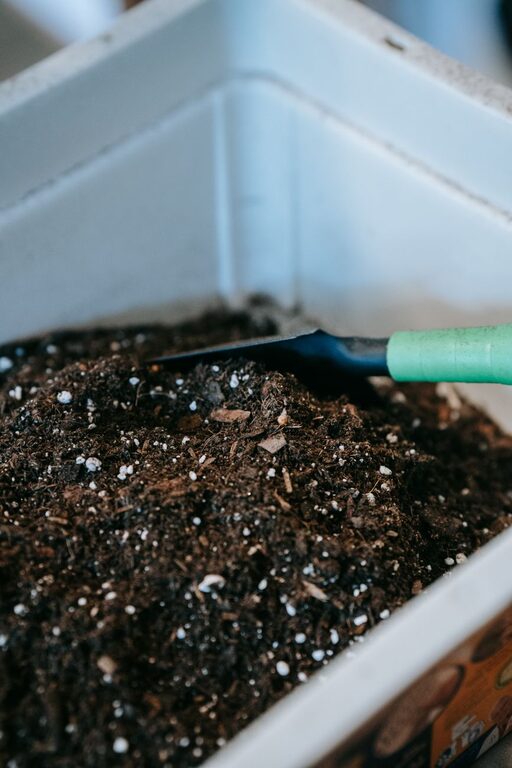
When the compost looks dark, crumbly, and earthy, it’s ready to use. This usually happens in 3–6 months.
– Use finished compost to enrich garden beds, potting soil, or as mulch.
– Sift compost to remove large bits for further decomposition if needed.
Final Thoughts
Starting a composting habit is a rewarding step toward a greener lifestyle. You don’t need a lot of space or fancy equipment—just a bit of knowledge and consistency.
By following these beginner tips, you’ll reduce waste, create valuable soil amendments, and enjoy the satisfaction of nurturing your own compost at home.
Happy composting!