Reducing food waste at home is an easy way to save money, conserve resources, and protect the environment. Every year, millions of tons of edible food end up in the trash, contributing to unnecessary waste and greenhouse gas emissions. By adopting a few simple habits, you can make a big difference right from your kitchen. This post offers practical, straightforward strategies to help you cut down food waste while enjoying fresh and delicious meals.
Why Reducing Food Waste Matters
Food production requires water, energy, and labor. When food is thrown away, all of those resources are wasted too. Additionally, food that decays in landfills produces methane, a potent greenhouse gas that contributes to climate change. By reducing food waste, you decrease your environmental footprint and promote a healthier, more sustainable future.
Plan Your Meals and Shop Smartly
One of the easiest ways to reduce food waste is careful planning before you shop. Here are some tips:
– Make a weekly meal plan: Decide what meals you want to prepare ahead of time and list the ingredients needed to avoid impulse purchases.
– Check your pantry and fridge: Use what you already have before buying more.
– Create a shopping list: Stick to it to avoid buying extra items that might go unused.
– Buy smaller quantities when possible: Especially for perishable goods to ensure they get used before spoiling.
Store Food Properly
Proper food storage can extend freshness and prevent spoilage. Keep these ideas in mind:
– Understand storage needs: Some fruits and vegetables last longer in the fridge; others keep better at room temperature.
– Use airtight containers: To keep leftovers and fresh produce fresh for longer.
– Keep your fridge organized: Place soon-to-expire items at the front to use them first.
– Avoid overcrowding: Air circulation helps maintain the right temperature and humidity.
Use Leftovers Creatively
Leftovers are often the easiest targets for food waste, but with a bit of creativity, they can become delicious new meals.
– Reinvent yesterday’s meal: Turn roasted vegetables into soup or salads.
– Freeze leftovers: Many cooked meals freeze well for future use.
– Use vegetable scraps for broth: Save peels, stalks, and ends to simmer into homemade stock.
– Make snack packs: Portion leftover fruits or veggies into grab-and-go containers.
Practice Portion Control
Serving the right amount reduces the risk of uneaten food ending up in the trash.
– Serve smaller portions: People can always ask for seconds if hungry.
– Use smaller plates: This can help with serving sizes and reduce waste.
– Listen to your appetite: Avoid cooking too much by adjusting recipes to suit your household size.
Understand Expiration Dates
Confusion around “best by,” “use by,” and “sell by” dates leads many to toss edible food prematurely.
– “Best by” dates indicate quality, not safety. Food is generally safe after this date.
– “Use by” dates are about safety; follow these more strictly.
– Use your senses: Check smell, appearance, and texture before discarding food.
Compost Food Scraps
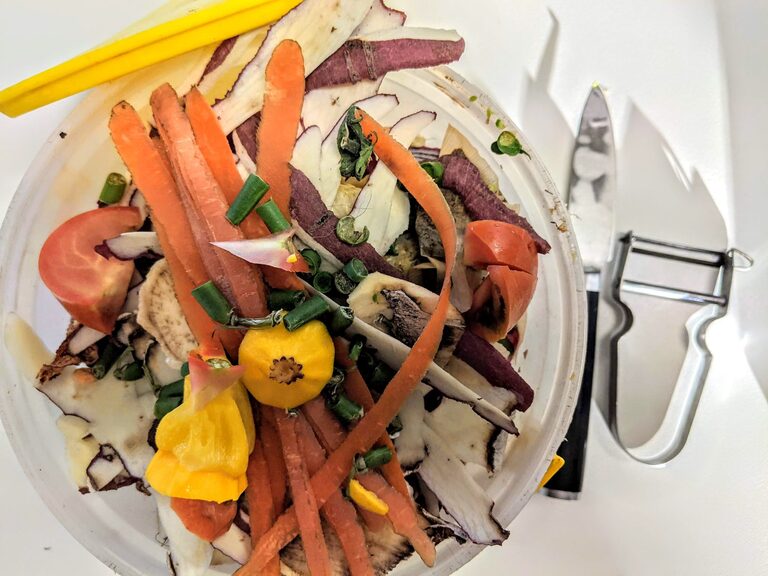
Even with the best efforts, some food scraps are unavoidable. Composting is a great way to reduce landfill waste and create nutrient-rich soil for plants.
– Start a compost bin: It can be as simple as a container in your backyard.
– Know what can compost: Fruit and vegetable scraps, coffee grounds, eggshells, and more.
– Avoid composting meat or dairy: These items can attract pests and cause odors.
Educate Household Members
Involve everyone in your home in reducing food waste.
– Share tips and goals: Make it a team effort to plan meals and store leftovers.
– Teach children about portion sizes: Encourage them to take only what they can eat.
– Set a good example: Show how you use leftovers and compost scraps.
Final Thoughts
Reducing food waste at home is a simple yet impactful way to help the planet and save money. By planning meals, storing food properly, using leftovers creatively, and involving your household, you can significantly cut down the amount of wasted food. Start small, and you’ll soon find it becomes a natural part of your daily routine. Every little effort counts toward building a more sustainable future for all.